Scannero vs Spylix
These two tools approach device tracking very differently. Scannero uses a simple link for one-time location checks and identity lookup. Spylix promises full stealth monitoring of 50+ data types. Both, however, face serious user complaints about hidden fees and poor performance.
Useful features, problematic billing practices.
We found Scannero offers a simple approach to location tracking plus powerful supplemental tools like reverse lookups and data leak checks. Overall, while the core features hold promise, the current widespread reports of non-transparent pricing and difficulties with refunds severely undermine its credibility.
Pros
- Initial setup is fast and easy to use.
- Effective reverse phone lookup assists with identity verification.
- Works using Wi-Fi connection, not requiring active mobile data.
- Includes useful secondary features (e.g., data leak checks).
Cons
- Widespread reports of unauthorized and unexpected charges.
- Geolocation accuracy is inconsistent, sometimes highly inaccurate.
- Users report that the cancellation process is difficult.
- The initial trial pricing structure appears misleading.
Unreliable Performance with Heavy Risk
We examined Spylix based on its claims of discreet, remote monitoring and wide data support, which are generally excellent features if they are delivered reliably. Overall, overwhelming user feedback indicates severe performance failures, poor support, and concerning billing practices that prevent us from endorsing this solution.
Pros
- Advertises remote setup method for basic iPhone monitoring.
- Promotes an 'Undisturbing Mode' for discreet, quiet operation.
- Offers a 'Sign Up Free' option to test initial access and features.
- Claims to monitor over 50 data types, including social messaging applications.
Cons
- Core advertised features like GPS location and social media monitoring are frequently reported as non-functional.
- Pervasive complaints regarding lack of refunds and unauthorized annual billing practices.
- Customer support is largely unresponsive and unhelpful via email communication.
- Setup failures are reported, especially on iOS, conflicting with advertised remote installation.
AboutScannero
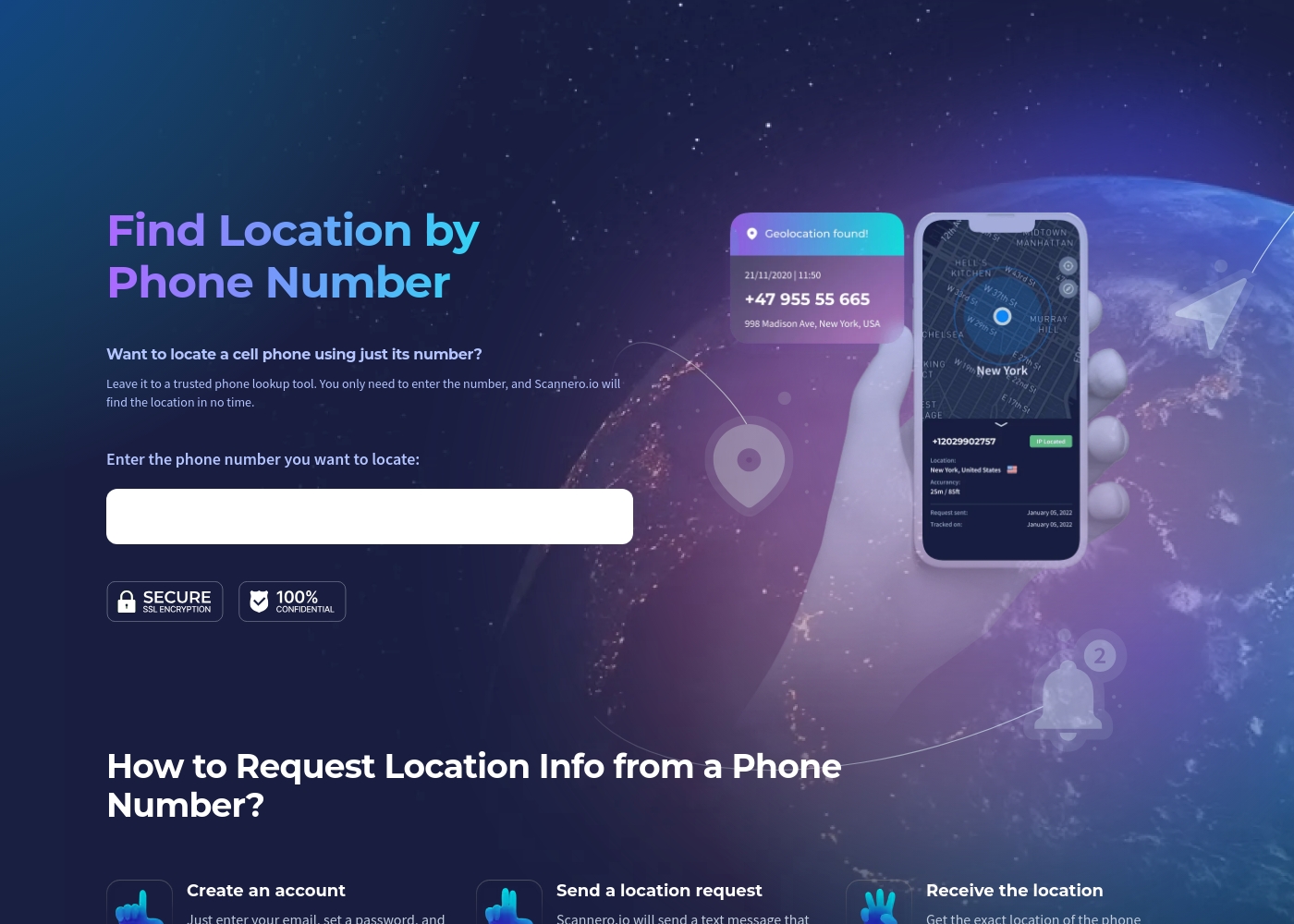
Scannero is a powerful, yet very easy-to-use digital utility designed for peace of mind and security. It offers a straightforward way to locate a mobile phone simply by knowing the number.
The main method is generating a unique link that the phone owner receives and taps. Once they click, you will see their precise location.
It's helpful for tracking loved ones who may not always have a data connection, like kids using Wi-Fi only devices. Users report that Scannero is both super-fast and highly accurate.
AboutSpylix
Spylix offers a monitoring solution that emphasizes discretion and performance. It is designed to work in an Undisturbing Mode, meaning its operation remains unnoticeable. This thoughtful approach ensures the device continues to function smoothly using minimal battery and storage. For those monitoring an iPhone, the convenience is outstanding: the entire setup process happens remotely, so you never need direct access to the device. 💡
Highlights
Feature Comparison
Features Overview
We highlight the main differences and pick a winner for each feature.
Core Tracking Method
Scannero uses a quick consent link; Spylix uses a deep monitoring app.
Scannero asks the target user to tap a unique link you send them. This link grants momentary, consensual location sharing upon interaction. Scannero is simple for quick, one-off location verification. Spylix requires covert installation of a continuous monitoring application. This invasive method allows Spylix to capture 50+ data types over time. If you require consent, use Scannero's link method. If your goal is deep, continuous monitoring, Spylix is structurally designed for that.
Identity Verification
Scannero offers excellent reverse lookups; Spylix focuses only on device monitoring.
Scannero provides robust reverse phone lookup functionality. You can quickly identify unknown callers or text message senders. Scannero also performs reverse username lookups on social media and dating sites. Spylix doesn't offer these external identity verification tools. Spylix only checks the identity associated with the monitored device itself. If you deal with unknown contacts, Scannero offers powerful peace of mind. Spylix is strictly about monitoring the known device owner's activity.
Discretion & Stealth
Spylix claims full stealth operation; Scannero requires visible user consent.
Scannero is clearly not discreet, as the recipient must click a link they receive. Location tracking stops once the user closes the location screen. Spylix promotes an "Undisturbing Mode" for quiet activity. This mode ensures Spylix uses minimal battery and storage resources. Spylix is intended for high-discretion, covert parental monitoring. Scannero is better for consensual check-ins between trusted parties.
Location via Wi-Fi
Scannero works on Wi-Fi only devices; Spylix does not explicitly guarantee this.
Scannero explicitly works fine even if the user is only connected by Wi-Fi. Their system doesn't require an active mobile data plan for location to transmit. Spylix relies on installed app functionality and continuous background operation. It is not explicitly stated whether Spylix works only on a Wi-Fi connection. Scannero is the better choice for tracking kids using cheap, Wi-Fi-only phones. Scannero guarantees location finding without needing an expensive data plan.
iPhone Setup
Spylix offers remote iPhone setup; Scannero just sends a link.
Scannero requires no setup at all; you just send the tracking link. Its core function does not rely on installing software on the target device. Spylix greatly emphasizes convenient, remote setup for iPhones. This means theoretically you start monitoring without physical access to the iOS device. However, Spylix user reviews report setup failures, especially with iOS devices. Scannero bypasses setup issues entirely with its link method.
Feature Reliability
Scannero is inconsistent; Spylix features are frequently non-functional.
Scannero has issues with geolocation accuracy; sometimes it's off by hundreds of kilometers. However, other core features like reverse lookup often work well as intended. Spylix users widely report that core tracking features, like GPS and social media monitoring, fail completely. Users claim only basic call logs might occasionally work with Spylix. Inconsistency (Scannero) is generally less frustrating than outright failure (Spylix). Scannero, despite its faults, appears slightly more reliable than Spylix currently.
Pricing Transparency
Both tools have severe, verified complaints about deceptive billing practices.
Scannero users report signing up for cheap trials and then incurring high, unauthorized charges. Attempts to cancel or obtain refunds from Scannero are described as extremely difficult. Spylix users also report unauthorized charges and refusal to process refunds. They report being billed annually for service they claim was non-functional. Due to these recurring risks, you should proceed with extreme caution with either Scannero or Spylix. Always check your bank statements closely after interacting with either company's pricing model.
Digital Security Tools
Scannero offers proactive security checks; Spylix offers reactive blocking capabilities.
Scannero includes a valuable data leak checker for proactive security. It scans databases to see if your phone or email was compromised in a breach. Spylix offers the ability to block specific apps, websites, and Wi-Fi access. This feature gives monitoring users control over device usage. Scannero provides tools to protect the user's own data and anonymity. Spylix focuses on features to control the target device's behavior.
Scannero costs between Not explicitly stated and Not explicitly stated per Not explicitly stated with Not explicitly stated plans: Not explicitly stated at Not explicitly stated.
We were unable to retrieve the specific pricing plans or subscription tiers for Scannero from the available documentation. The information does not detail plan names, monthly fees, or annual savings.
The scraped data does not clearly define different subscription levels or how features are packaged. We know the service offers useful functions like location tracking, reverse phone lookup, and checking for data breaches. Typically, services like this categorize features into tiers, but Scannero's precise structure, official plan names, costs, and feature allocations are currently not stated publicly in the content provided here.
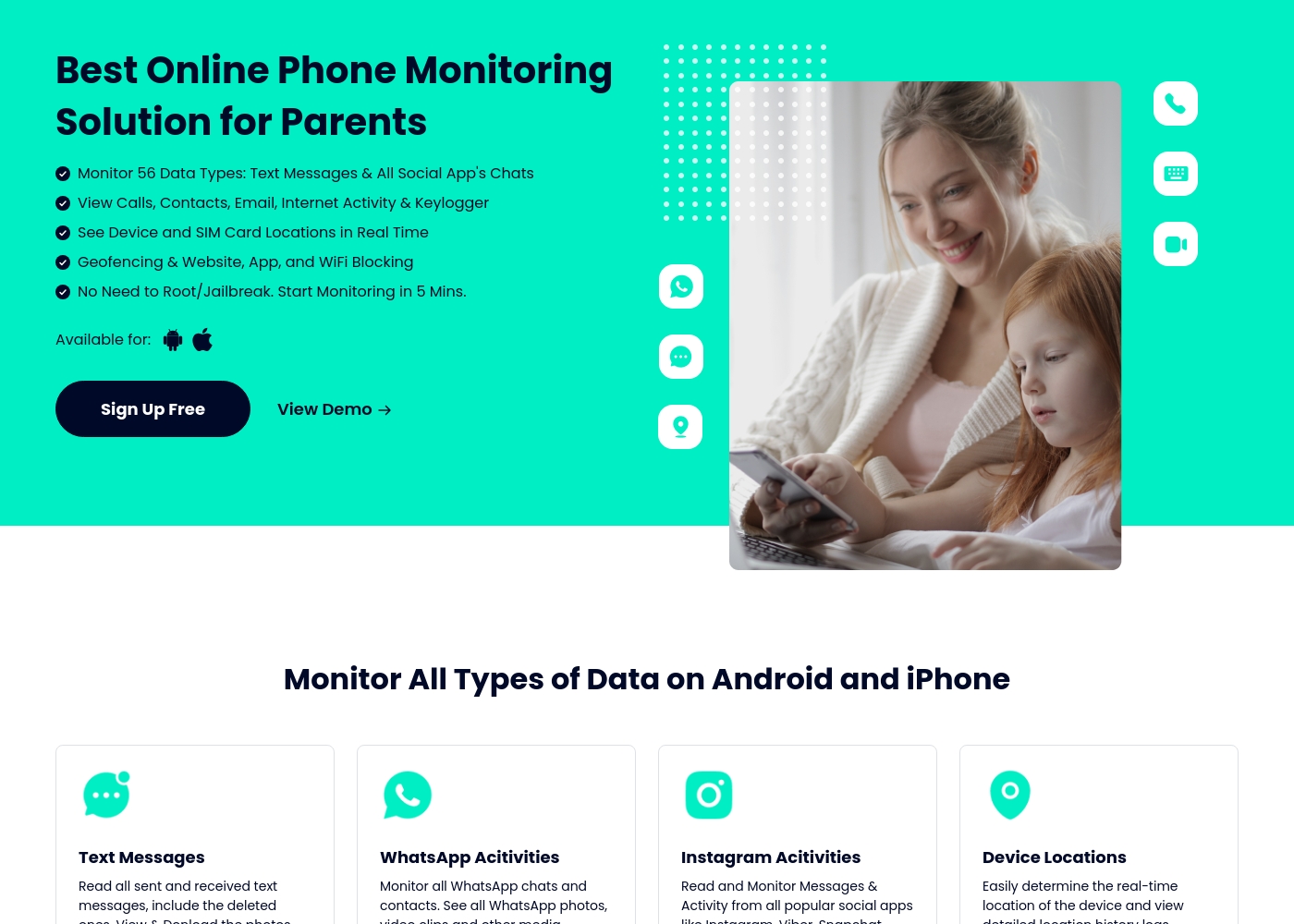
Spylix offers a single entry point visible: the Free Plan which allows users to Sign Up Free. Specific subscription costs and tiered structures are not explicitly stated.
Since pricing details or established tiers are not visible here, let's look closer at the access point offered by Spylix.
Free Plan
Price: Free Websites Supported: Not explicitly stated Best For: Users who want to try the monitoring features before committing to a paid subscription. Refund Policy: Not explicitly stated Other Features:
- Monitor up to 56 Data Types
- Includes Geofencing & Blocking capabilities
- View real-time location and SIM card locations
- No need to Root or Jailbreak devices
- View Calls, Contacts, Email, and Internet Activity
- 56 Data Types monitoring (Text Messages & Social Apps)
- View Calls, Contacts, Email, Internet Activity & Keylogger
- See Device and SIM Card Locations in Real Time
- Geofencing & Website, App, and WiFi Blocking
- No Need to Root/Jailbreak
Pricing Notes
- Specific subscription costs for both Scannero and Spylix are unavailable in the provided documentation.
- Scannero users frequently report being charged high, unauthorized fees immediately after a cheap trial.
- Spylix offers a 'Sign Up Free' entry point to test features before any required paid subscription.
- Be extremely cautious: both Scannero and Spylix face severe, widespread allegations of misleading billing and charge disputes.
Pricing Head-to-Head
User Reviews
Scannero’s external reception, based on over 1,100 Trustpilot reviews, suggests a deep divide between product concept and user experience, resulting in a poor 2.3-star rating. While a few users praised the general ease of setup and noted that secondary features like reverse phone lookup effectively identified marketing companies, the overwhelming sentiment revolves around deceptive pricing practices.
Many customers reported signing up for a cheap trial ($1 or €1) only to be immediately charged much higher, unauthorized subscription fees ($39.99 to €49.99). Users routinely found the cancellation and refund process extremely difficult, describing it as confusing or non-existent, leading to frustration and hidden charges.
I only paid for the small $1 trial test as advertised on the website. I never consented to the sudden charges of $69.20 and $48.25 withdrawn a day later. This hidden billing practice is completely misleading and unethical.
The vast majority of external feedback highlights severe discrepancies between Spylix's claims and its actual performance. Users consistently report that core monitoring features, such as tracking WhatsApp messages, GPS location, and browser history, are unreliable or non-functional.
The consensus is that only basic SMS and call logs sometimes work, making social media tracking "a joke." There are major complaints regarding setup, particularly for iPhone users, despite the product advertising simple remote installation. The lack of reliable customer support is a critical issue; users describe it as non-existent, unresponsive via email, and refusing to process refunds.
Spylix is a fraud. Claimed features don't work, even after paying for a full year. I never saw WhatsApp or GPS data display, only basic logs. I uninstalled and reinstalled as instructed, but it still didn’t work. Save your money.
Our Verdict
Choosing between Scannero and Spylix is tough because both have severe user complaints. Scannero's 2.8 rating is poor, but it is far better than Spylix’s alarming 1.2 rating. If you absolutely need one of these tools, Scannero presents the slightly safer option. Scannero’s superpower is its simplicity and identity verification tools. It allows location tracking via a simple consent link and works great for Wi-Fi-only devices. Scannero’s extra features like the data leak checker offer genuine security benefits. Use Scannero if you need quick checks and peace of mind without app installation. Spylix is built for deep, comprehensive device monitoring, claiming 56 data types and keylogging. Spylix promises remote setup convenience, especially for tracking iPhones easily. However, this full monitoring approach fails spectacularly, with users reporting Spylix’s core features consistently do not work. The key deciding factor is the core risk balance. Scannero requires consent, minimizing legal issues, though its billing is misleading. Spylix is structurally based on covert use, often failing to deliver and attracting serious non-functionality complaints. If you must proceed, select Scannero for quick, consensual location checks and identity tools. Avoid Spylix; user reports indicate it's nearly non-functional and involves high financial risk due to unauthorized billing practices.
Frequently Asked Questions
Which is better for reliable location tracking: Scannero or Spylix?
Scannero is generally better for location if using its Wi-Fi only feature. Spylix’s real-time GPS tracking is widely reported by users as being completely inaccurate or non-functional. Scannero’s main issue is occasional large inconsistencies in location data.
Can I use Scannero to monitor social media chats like Spylix claims to?
No, Scannero is designed specifically for finding location and identity verification. Spylix claims to monitor up to 56 data types, including social media messages. However, users report Spylix frequently fails to deliver this specific functionality.
Which tool is more trustworthy regarding billing practices?
Neither Scannero nor Spylix has trustworthy billing practices according to user reviews. Both face severe complaints about unauthorized high charges following cheap initial trials. Always monitor your subscriptions closely if using either Scannero or Spylix.
Does Scannero provide location tracking without the recipient's knowledge, like Spylix?
No. Scannero is designed to require the recipient to actively consent by tapping a link you send them. Spylix, conversely, is designed to operate discreetly in 'Undisturbing Mode' after installation.
Which is safer to use legally: Scannero or Spylix?
Scannero is generally safer legally because it requires the target user's consent before location is shared. Spylix is built for non-consensual, covert monitoring, which is often illegal without device ownership or explicit permission.
Can Spylix be installed remotely on an iPhone without physical access?
Spylix advertises full remote setup for iPhones for maximum convenience. However, multiple user reviews contradict this, reporting major setup failures on iOS devices. Scannero bypasses this entirely, requiring only link interaction.
Ready to Choose?
Both tools have their strengths. Choose based on your specific needs.